
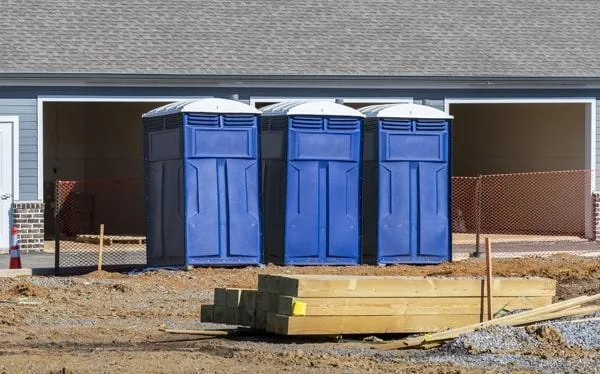
Show the overlap and the separation
Tell the provider when each crew is present and where it works. A common toilet and washing point may serve them if the routes and permissions work; a separate occupied zone may need a supported additional position.
Start with standard toilet, accessible-use and washing functions. Do not add quantities independently for each contractor without letting the provider assess the combined actual use.
Agree which site contact controls the arrangement
Identify the person who can approve placement with the property controller, receive equipment and communicate a changed crew schedule. That contact should keep one accepted set of instructions for all trades.
Have the provider assess ground, doors, user approach and delivery/service access before material deliveries occupy the position. Do not let a trade relocate equipment to solve its own storage problem.
Review support when one crew leaves and another remains
Agree cleaning, waste service, paper and washing water, soap, drying and used-water responsibilities for the combined occupied period. A departing contractor should not cancel provision still needed by the remaining crew.
Confirm the actual equipment, care, delivery and collection scope and who can request a revision. Final removal follows the agreed site use, not the first trade’s finish date.
Questions before you book
Should each trade order independently?
Coordinate the actual combined need and authority so separate requests do not conflict.
Can the first departing contractor arrange pickup?
Only the authorised contact should confirm removal after accounting for all agreed users.